


Olive Oil Harvest Date vs Best Before Date: What Is the Difference?
When buying extra virgin olive oil, we often look at where it comes from, how producers make it and whether it carries organic certification. However, another piece of…
09 JULY 2025
Table of contents
- What Does the Olive Oil Harvest Date Mean?
- The Best Before Date Does Not Tell You When the Olives Were Harvested
- Can Extra Virgin Olive Oil Expire?
- Why Is the Harvest Date Important When Choosing Olive Oil?
- Harvest Year and Single Estate Olive Oil
- How to Read an Olive Oil Label
- How Should You Store Extra Virgin Olive Oil?
- Harvest Date vs Best Before Date: The Difference Is Simple
When buying extra virgin olive oil, we often look at where it comes from, how producers make it and whether it carries organic certification. However, another piece of information can tell us a great deal about the oil inside the bottle: the olive oil harvest date.
This is also where a common misunderstanding appears. The harvest date and the best before date do not mean the same thing. More importantly, neither date tells you everything about the quality of an olive oil.
So why should you know when the olives were harvested? What does the best before date actually tell you? And can extra virgin olive oil really expire?
What Does the Olive Oil Harvest Date Mean?
Every extra virgin olive oil begins in the olive grove. Farmers do not harvest olives throughout the year. Across the Mediterranean, the harvest season usually takes place during autumn and winter.
The exact timing depends on several factors. These include the olive variety, region, weather conditions and the style of oil that the producer wants to create.
In Crete, harvesting commonly begins during autumn. This is a crucial stage of production. The condition and ripeness of the fruit can influence the quality and character of the finished oil.
The harvest date tells you when farmers picked the olives from the trees. It is not simply an industrial production date. Producers of high-quality extra virgin olive oil process their olives soon after harvesting. They do not leave the fruit in storage for long periods before extraction.
This is why harvest information can be so useful. It allows you to understand the age of an olive oil more accurately than the best before date alone. If you would like to see what happens after the olives leave the tree, read our guide to how organic extra virgin olive oil is made from grove to bottle.
The Best Before Date Does Not Tell You When the Olives Were Harvested
You will normally also find a best before date on olive oil packaging. It shows how long the oil should retain its intended quality when you store it correctly.
And this brings us to the most important distinction.
The best before date is not the olive oil harvest date.
For example, a bottle may have a best before date in 2027 while the olives came from the autumn 2025 harvest. This does not mean that the producer made the oil in 2027. It also does not mean that someone stored the olives for two years before processing them.
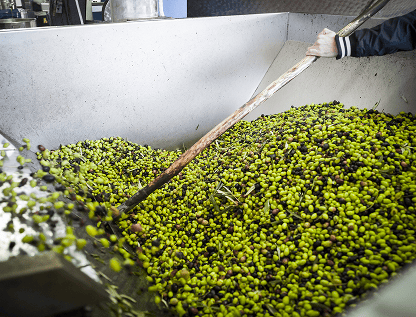
For high-quality extra virgin olive oil, freshly harvested olives should reach the mill as quickly as practical. Time matters because olives are fruit. Damaged olives or fruit left waiting under unsuitable conditions can begin to deteriorate.
This deterioration can affect the resulting oil. The relationship between fruit condition, rapid processing and quality also helps explain why olive oil acidity can provide useful information about how carefully producers handled the olives.
The harvest date therefore tells you when the raw material came from the tree. The best before date serves a different purpose. It relates to the period during which the finished oil should retain its intended characteristics under suitable storage conditions.
Can Extra Virgin Olive Oil Expire?
That depends on what we mean by “expire”.
Extra virgin olive oil does not spoil in exactly the same way as highly perishable fresh foods. Instead, oxidation gradually changes the oil as it ages.
Over time, fresh aromas and flavours can become less pronounced. Some naturally occurring compounds in the oil can also decline.
Light, heat and oxygen can accelerate this process. Even an excellent extra virgin olive oil can therefore lose some of its original character if you store it poorly. Leaving a container open for long periods can also speed up oxidation.
In this sense, olive oil has a useful quality lifespan. It generally tastes best while it is relatively fresh. Good storage also helps preserve its flavour and aroma for longer.
Importantly, the best before date is not a magical boundary. Olive oil does not suddenly become unsafe the following day. A best before date mainly relates to quality rather than acting like a use-by date for highly perishable food.
An oil may still be suitable for consumption after its best before date. However, its flavour, aroma and overall sensory quality may no longer be at their best.
Why Is the Harvest Date Important When Choosing Olive Oil?
When an olive oil clearly states its harvest date, you receive another useful piece of information about the product.
You can identify the harvest season and make a more informed assessment of the oil’s freshness. This matters particularly with extra virgin olive oil. Unlike products designed for long ageing, olive oil does not improve simply by spending more time in storage.
Freshness can also affect the natural composition of the oil. Phenolic compounds gradually change during storage. The timing of the harvest can also influence the original phenolic profile of the oil.
You can learn more about polyphenols in olive oil and the factors that influence their concentration in our separate guide.
However, a recent harvest date alone does not guarantee exceptional olive oil.
Many other factors matter. These include the condition and ripeness of the olives, harvesting methods and transport to the mill. The time between harvesting and extraction also plays an important role.
Milling conditions and storage matter too. A recently harvested oil that a producer handles poorly is not automatically better than a slightly older oil kept in excellent conditions.
This is why you should consider several indicators together rather than relying on one number or statement. Our guide to how to choose a good extra virgin olive oil explains what to look for when comparing different oils.
Harvest Year and Single Estate Olive Oil
Harvest information becomes particularly useful when an olive oil comes from one identified estate.
Instead of knowing only the country on the label, you can trace the oil back much further. You may be able to identify its growing area, producer and harvest.
This forms part of what we call traceability. In simple terms, traceability means being able to follow a product back through its origin and production stages.
At Euthis Organic, this transparency forms an important part of our approach to olive oil. We produce our oil from Koroneiki olives grown on a single estate in Crete. It comes from one harvest rather than a blend of different harvest years.
After the harvest, the olives travel promptly to the mill for processing. The story of the oil therefore does not begin when a bottle reaches a shop shelf. It begins much earlier, in the Cretan olive grove.
Crete itself has one of the longest relationships with olive cultivation in the Mediterranean. You can discover more in our article about why Crete is famous for olive oil and how the island became so closely connected with olive cultivation.
Good extra virgin olive oil is not an anonymous product. It has an origin, a harvest season, an olive variety and a production history. Clear information about these details gives consumers a better understanding of what is inside the bottle.
How to Read an Olive Oil Label
When buying olive oil, spend a little more time looking at the label.
The harvest date tells you when farmers picked the olives. The best before date tells you how long the oil should retain its intended quality under suitable storage conditions.
Look beyond these dates as well. Check the category of oil, such as extra virgin, and its country or region of origin.
Information about the olive variety, producer, estate, extraction method and organic certification can provide even more context.
No single statement tells the complete story. A harvest date, low acidity, organic certification and polyphenol content can all provide useful information. However, the final quality of an olive oil depends on many stages working together.
How Should You Store Extra Virgin Olive Oil?
Once you bring good extra virgin olive oil home, storage becomes your responsibility.
Keep the oil away from direct sunlight and major sources of heat. Close the bottle or tin properly after every use. This reduces unnecessary contact with oxygen.
Dark glass bottles and metal tins also help protect olive oil from light.
Container size matters too. If you use extra virgin olive oil every day, a larger tin can be practical. If you only use small amounts occasionally, a smaller bottle may make more sense.
A smaller bottle will usually spend less time open. Our guide to cooking with extra virgin olive oil explains more about everyday use, storage and choosing a suitable container size.
Harvest Date vs Best Before Date: The Difference Is Simple
The difference between an olive oil harvest date and its best before date is fundamental.
The harvest date tells you when farmers picked the olives. The best before date tells you how long the producer expects the finished olive oil to retain its intended quality when stored correctly.
You should not consider either date in isolation.
A recent harvest gives you useful information. However, the quality of extra virgin olive oil also depends on the fruit and how quickly it reaches the mill. Extraction methods and storage conditions matter as well.
The best labels therefore tell a wider story. They show where the olives came from, when farmers harvested them and how the producer made the oil. They can also help you understand how the producer protected its quality before it reached you.
Understanding that story makes choosing extra virgin olive oil much easier. It starts with knowing that the harvest date and the best before date provide two very different pieces of information.
See similar articles
Extra Virgin Olive Oil Guide 26 APRIL 2026
Why Is Crete Famous for Olive Oil? The Story of Cretan Olive Oil
Some landscapes are so distinctive that you can recognise them without looking at a map. Across…
Read more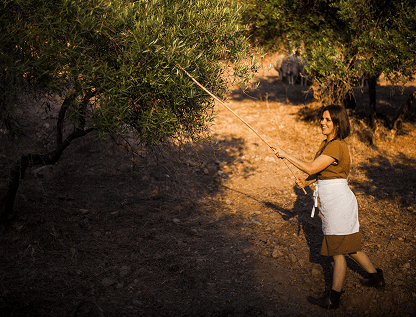
Extra Virgin Olive Oil Guide 09 MARCH 2026
What Does Organic Olive Oil Mean? A Guide to Certification and Labels
Pick up a bottle of olive oil today and you may notice a small green leaf…
Read more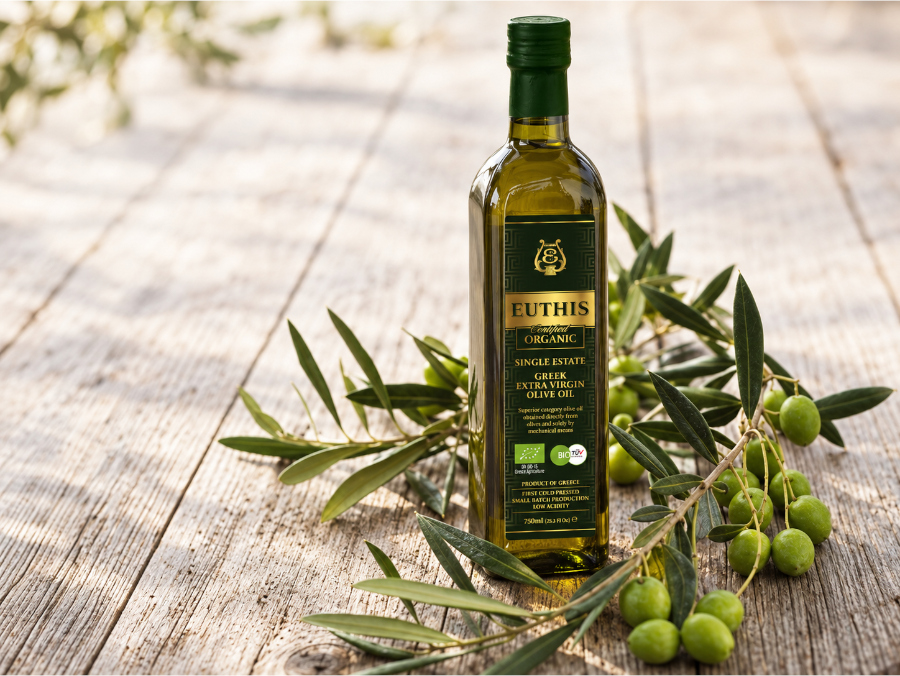
Extra Virgin Olive Oil Guide 07 FEBRUARY 2026
How to Choose a Good Extra Virgin Olive Oil: 10 Things to Look For
You are standing in front of a supermarket shelf filled with olive oil. There may be…
Read more

EUTHIS combines organic cultivation, Koroneiki single varietal character, cold extraction, and single estate traceability. It is produced with clear standards and handled to protect freshness through to final packaging.