


Cooking with Extra Virgin Olive Oil: How to Use It Every Day
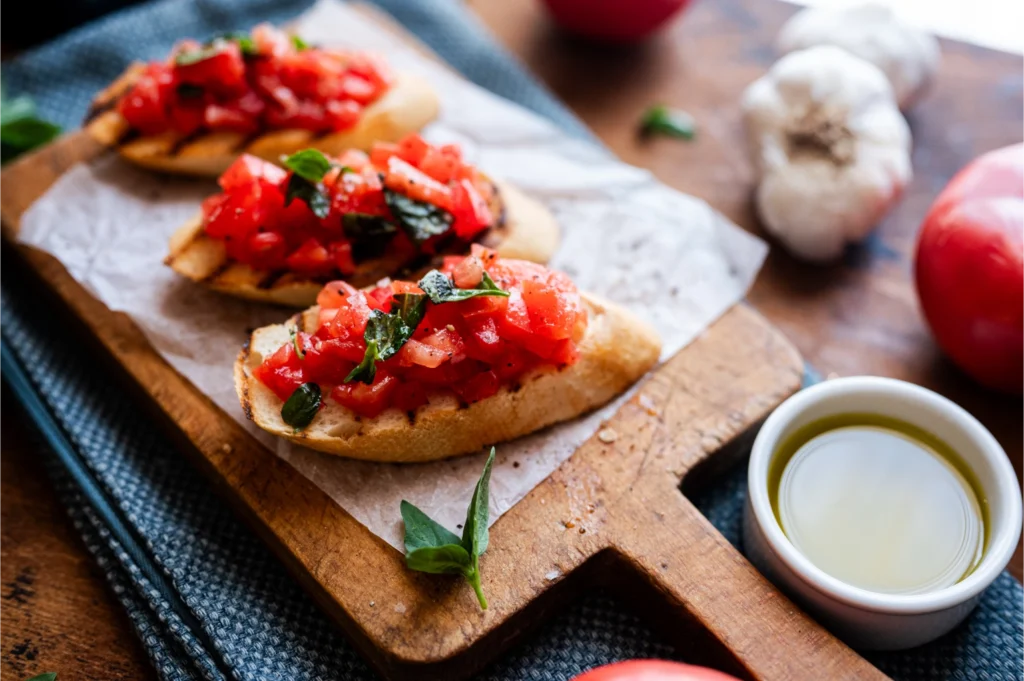
Imagine a simple Mediterranean dinner. Ripe tomatoes, fresh herbs, a piece of good bread and a generous drizzle of aromatic extra virgin olive oil. You do not need…
18 JANUARY 2026
Table of contents
- Why Use Extra Virgin Olive Oil Every Day?
- What Is the Best Way to Use Extra Virgin Olive Oil Without Heating It?
- Can You Cook with Extra Virgin Olive Oil?
- Can You Fry with Extra Virgin Olive Oil?
- Can You Roast with Extra Virgin Olive Oil?
- Can You Bake with Extra Virgin Olive Oil?
- Why Is Olive Oil So Good with Vegetables?
- What Happens to Polyphenols When Extra Virgin Olive Oil Is Heated?
- How Should You Not Use Extra Virgin Olive Oil?
- How Should You Store Extra Virgin Olive Oil at Home?
- Should You Buy a Large Tin of Olive Oil?
- Extra Virgin Olive Oil Is Not Just for Salads
- How Can You Make Extra Virgin Olive Oil Part of Your Everyday Diet?
- Summary
Imagine a simple Mediterranean dinner. Ripe tomatoes, fresh herbs, a piece of good bread and a generous drizzle of aromatic extra virgin olive oil.
You do not need many ingredients to create something full of flavour.
This simplicity is one of the reasons olive oil has remained such an important part of Mediterranean cooking. It is not reserved only for salads or dipping bread. You can use extra virgin olive oil for cooking, frying, roasting, baking, marinades, dressings and finishing dishes.
Yes, you can cook with extra virgin olive oil.
The important question is not whether you should heat it, but how you use it. Temperature, cooking time and repeated heating can all influence its flavour and the naturally occurring compounds found in the oil.
Using extra virgin olive oil properly allows you to enjoy both its culinary qualities and its natural nutritional characteristics as part of your everyday diet.
Why Use Extra Virgin Olive Oil Every Day?
Extra virgin olive oil is naturally rich in monounsaturated fat, particularly oleic acid.
It also contains smaller amounts of naturally occurring compounds including polyphenols, vitamin E and squalene. Together, these components contribute to the distinctive character, oxidative stability and nutritional profile of high quality extra virgin olive oil.
If you would like to understand its composition in more detail, our guide to fatty acids in olive oil explains why oleic acid plays such an important role in extra virgin olive oil.
Extra virgin olive oil is also one of the characteristic sources of fat in the traditional Mediterranean diet.
Research into Mediterranean style eating has linked this dietary pattern with favourable cardiovascular outcomes. In the PREDIMED study, participants at high cardiovascular risk who followed a Mediterranean diet supplemented with extra virgin olive oil experienced a lower incidence of major cardiovascular events than participants in the control group.
This does not mean that olive oil acts as a medicine or miracle ingredient.
Its value comes from being part of a wider dietary pattern that includes vegetables, fruit, pulses, whole grains, nuts and fish.
You can explore this subject further in our guide to the health benefits of organic extra virgin olive oil.
Rather than saving good olive oil for occasional use, it often makes more sense to make it a regular part of everyday cooking.
What Is the Best Way to Use Extra Virgin Olive Oil Without Heating It?
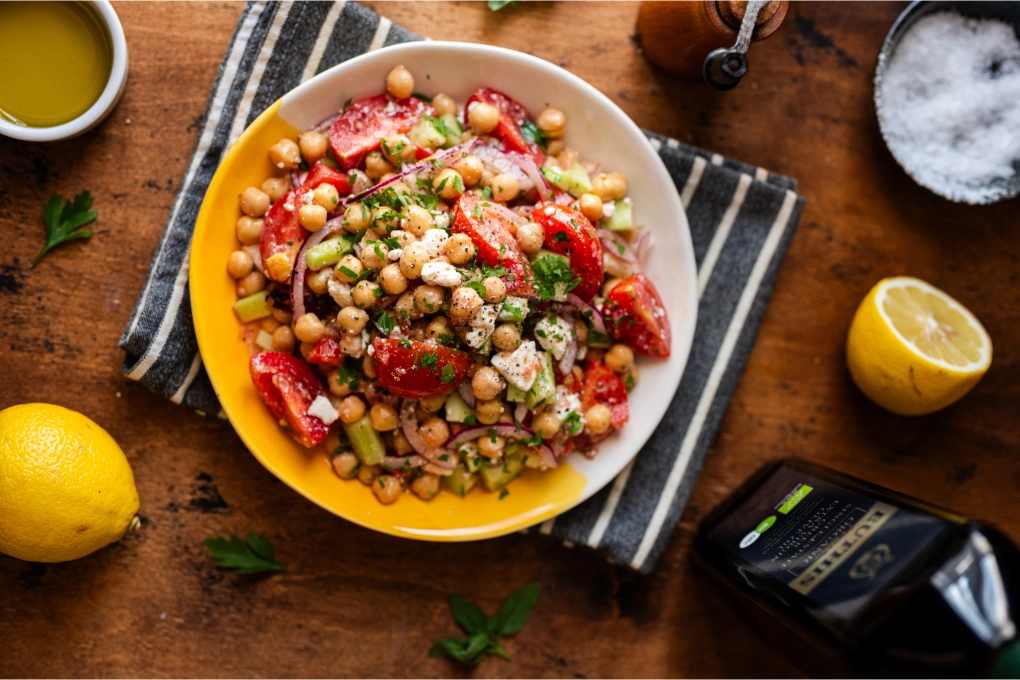
If you want to experience the fresh aroma, bitterness, fruitiness and peppery character of an extra virgin olive oil as clearly as possible, using it without heating is one of the simplest options.
Extra virgin olive oil works particularly well with:
- salads and fresh vegetables,
- ripe tomatoes,
- cooked vegetables,
- hummus and vegetable dips,
- bread,
- mozzarella, feta and other cheeses,
- soups,
- pulses,
- fish and seafood,
- finished pasta and grain dishes.
You can also drizzle it over a finished dish immediately before serving.
A small amount of fresh olive oil over vegetables, soup, pasta or grilled fish can add considerable aroma and flavour without exposing the oil to prolonged heat.
This is also one of the best ways to appreciate the character of a particular olive oil.
Fresh extra virgin olive oils with substantial phenolic content can display noticeable fruitiness together with pleasant bitterness and a distinctive peppery sensation at the back of the throat.
These characteristics do not necessarily indicate defects. Naturally occurring phenolic compounds often contribute to both bitterness and pungency. Our detailed guide to polyphenols in olive oil explains why these qualities often appear in fresh, high quality extra virgin olive oil.
Can You Cook with Extra Virgin Olive Oil?
Yes.
The idea that people should only consume extra virgin olive oil cold is one of the most persistent misconceptions surrounding olive oil.
You can use extra virgin olive oil for sautéing, cooking, roasting, baking and frying.
One reason for its relatively good stability during cooking is its fatty acid composition. Olive oil contains a high proportion of monounsaturated oleic acid, which is less susceptible to oxidation than many polyunsaturated fatty acids.
Extra virgin olive oil also contains naturally occurring antioxidants and phenolic compounds.
Heating does, however, gradually change the oil.
Research examining domestic cooking shows that higher temperatures can reduce the concentration of some olive oil polyphenols. This does not suddenly make the oil unsuitable for cooking, but it does explain why temperature and cooking time matter if you want to preserve as much of its original phenolic profile as possible.
The practical rule is simple. Cook with extra virgin olive oil, but avoid exposing it to unnecessarily high temperatures for unnecessarily long periods.
Can You Fry with Extra Virgin Olive Oil?
Yes, extra virgin olive oil works well for everyday frying.
It is particularly suitable for eggs, vegetables, fish, meat and many Mediterranean style dishes.
A few simple habits can help you use it more effectively.
Do Not Heat Olive Oil Until It Smokes
Visible smoke clearly indicates that the oil has become excessively hot.
There is no culinary advantage in allowing good extra virgin olive oil to sit in a smoking pan. Control the heat and cook at the temperature the food actually requires.
Avoid Heating an Empty Pan of Olive Oil for Too Long
There is usually little reason to leave olive oil heating in an empty pan for an extended period.
Bring the pan and oil to the appropriate temperature, add the ingredients and begin cooking. This reduces unnecessary exposure to heat.
Avoid Repeatedly Reusing the Same Olive Oil
One short cooking process is very different from heating the same oil through numerous frying cycles.
Each additional cycle exposes the oil to further heat and oxidation.
Research examining repeated deep frying in extra virgin olive oil has found substantial reductions in phenolic compounds across consecutive frying cycles. Several factors can influence the degree of degradation, including temperature, cooking time and the type of food in the pan.
For normal home cooking, the practical lesson is straightforward. Using fresh olive oil for cooking is very different from heating the same oil repeatedly for many hours.
Match the Temperature to the Food
Not every dish requires maximum heat.
Moderate temperatures work perfectly well for vegetables, onions, garlic and many Mediterranean dishes.
Controlling the temperature can help protect flavour while allowing the ingredients to cook more evenly.
Can You Roast with Extra Virgin Olive Oil?
Absolutely.
Extra virgin olive oil works particularly well with roasted vegetables, potatoes, fish, poultry and Mediterranean style tray dishes.
Coating vegetables lightly with olive oil before roasting helps distribute seasonings and contributes to flavour, texture and browning.
Heat gradually reduces some of the more delicate aromatic and phenolic compounds in the oil, particularly during longer cooking times.
For this reason, one useful technique is to use olive oil twice.
Use some during cooking, then add a small amount of fresh extra virgin olive oil after taking the dish out of the oven.
The first portion becomes part of the cooking process. The second adds the fresh aroma and flavour of the uncooked oil.
This works particularly well with roasted tomatoes, aubergines, courgettes, peppers, potatoes and root vegetables.
Can You Bake with Extra Virgin Olive Oil?
Extra virgin olive oil also works well in baking.
It is a natural choice for focaccia, breads, savoury pastries and many Mediterranean recipes. In certain cakes and baked desserts, it can also replace other fats.
The flavour of the olive oil becomes particularly important here.
A delicate olive oil will have less influence on the finished flavour, while a more intense fruity or peppery oil can become a noticeable part of the recipe.
This is not necessarily a disadvantage. Olive oil can work particularly well with flavours such as citrus, chocolate, herbs and nuts.
For savoury baking, its flavour complements ingredients such as tomatoes, rosemary, garlic, onions and Mediterranean herbs.
Why Is Olive Oil So Good with Vegetables?
Olive oil does considerably more than improve the flavour of vegetables.
Some nutrients and plant compounds are fat soluble. Eating vegetables together with dietary fat can therefore help the body absorb certain compounds, including carotenoids.
This is one reason why the traditional Mediterranean combination of vegetables and olive oil makes nutritional as well as culinary sense.
Extra virgin olive oil pairs naturally with tomatoes, peppers, carrots, pumpkin and leafy vegetables.
Research examining Mediterranean cooking has also produced an interesting observation. When you cook vegetables such as tomato, onion and garlic with olive oil, some plant compounds can move between the vegetables and the oil.
Studies of traditional Mediterranean sofrito have found that cooking with olive oil can improve the extractability of certain polyphenols and carotenoids.
This does not mean that cooked vegetables are automatically better than raw vegetables. Different preparation methods affect different nutrients in different ways.
A varied diet containing both raw and cooked vegetables remains the more sensible approach.
What Happens to Polyphenols When Extra Virgin Olive Oil Is Heated?
Polyphenols are naturally occurring compounds that contribute to the bitterness, pungency and oxidative stability of extra virgin olive oil.
They are also sensitive to processing and storage conditions.
Heat can reduce the concentration of certain phenolic compounds, although the effect depends on temperature, time, the particular olive oil and the cooking method.
Research simulating domestic cooking shows that higher temperatures can cause greater losses of some polyphenols.
This is why there is no need to choose between using extra virgin olive oil cold and cooking with it.
Both methods have a place in everyday cooking.
Use olive oil to prepare the meal, then finish the dish with a little fresh oil when you want to experience more of the aroma, flavour and distinctive character of the uncooked oil.
How Should You Not Use Extra Virgin Olive Oil?
Extra virgin olive oil is versatile, but a few habits can unnecessarily accelerate its deterioration.
Do Not Overheat Olive Oil Until It Smokes
If the pan is extremely hot and the olive oil begins to smoke heavily, the temperature is too high.
Reduce the heat rather than continuing to cook the oil at unnecessarily high temperatures.
Do Not Keep Reusing the Same Oil
Using olive oil once for a short cooking process is very different from heating the same oil repeatedly for prolonged periods.
Repeated high temperature frying accelerates oxidation and progressively reduces some of the naturally occurring compounds in fresh extra virgin olive oil.
Do Not Leave an Open Bottle Beside the Cooker
Even without direct heating, prolonged exposure to heat, light and oxygen can accelerate the ageing of olive oil.
The space immediately beside a hob or oven is therefore rarely the best place to store it.
How Should You Store Extra Virgin Olive Oil at Home?
Keep extra virgin olive oil in a cool, dark place away from direct sunlight and major sources of heat.
Close the bottle or tin properly after use to limit unnecessary exposure to oxygen.
Dark glass bottles and metal tins provide useful protection from light. This is one reason producers commonly use both formats for high quality extra virgin olive oils.
Production and handling before the oil reaches your kitchen matter as well. Careful harvesting, rapid transport to the mill, controlled extraction and suitable storage all influence the finished oil.
You can follow the entire process in our guide to how organic extra virgin olive oil is made from grove to bottle.
Should You Buy a Large Tin of Olive Oil?
That depends on how much olive oil you actually use.
A larger tin can make excellent sense for households that cook with olive oil every day. Metal packaging protects the oil from light, and a larger format can also offer better value.
However, buying a large container simply because the price per litre is lower does not always make sense if you will keep it open for a very long time.
After opening the container, the oil comes into contact with oxygen every time you use it.
Choose a bottle or tin size that reflects your actual consumption.
A household that uses extra virgin olive oil daily for cooking, salads and finishing dishes may comfortably use a large tin. Someone who only uses a small drizzle occasionally may prefer a smaller dark glass bottle.
Extra Virgin Olive Oil Is Not Just for Salads
One of the easiest mistakes to make is treating high quality extra virgin olive oil as something to save for special occasions.
If you buy good olive oil, use it.
Pour it over tomatoes at breakfast. Prepare a simple salad dressing with it. Cook vegetables in it or add it to soups and stews. It also works well in marinades, with roasted potatoes, over grilled fish or as a finishing touch for pasta.
Or simply pour a little onto a plate and taste it with good bread.
If you are looking for inspiration, explore our collection of recipes using extra virgin olive oil, including simple Mediterranean salads, pasta dishes and appetisers.
Regular everyday use is far more characteristic of Mediterranean cooking than occasionally consuming a large amount of olive oil simply because it is considered healthy.
How Can You Make Extra Virgin Olive Oil Part of Your Everyday Diet?
You do not need to redesign your entire diet.
Small habits are often enough.
At breakfast: try good bread with tomatoes and extra virgin olive oil.
At lunch: use olive oil as the base of a simple dressing for salads and vegetables.
During cooking: use it for vegetables, sauces, roasting or gentle frying.
With your main meal: add a small amount of fresh olive oil to cooked vegetables, pulses, grains, soup or fish immediately before serving.
In the evening: use it in a light salad, with fresh vegetables or simply with a piece of good bread.
Over time, olive oil stops feeling like an occasional speciality ingredient and becomes what it has traditionally been throughout much of the Mediterranean: an everyday kitchen staple.
Summary
Extra virgin olive oil is much more versatile than many people realise.
Use extra virgin olive oil cold in salads, dressings and dips, or bring it into everyday cooking. It works well for frying, roasting and baking, while a fresh drizzle added after cooking brings out its aroma and flavour at their best.
Its value comes from its complete natural composition, including monounsaturated oleic acid, polyphenols, vitamin E and other naturally occurring compounds.
Heating gradually changes some of these components, particularly the more delicate phenolic compounds. This is why sensible temperature control and avoiding repeated intensive heating are useful practices.
For maximum fresh flavour, use extra virgin olive oil without heating or add a small amount after cooking.
For everyday cooking, use it confidently for sautéing, roasting, baking and frying without unnecessarily overheating it.
Most importantly, do not leave a good bottle of olive oil sitting in the cupboard waiting for a special occasion.
For extra virgin olive oil, an everyday meal is already a good enough occasion.
See similar articles

Extra Virgin Olive Oil Guide 26 APRIL 2026
Why Is Crete Famous for Olive Oil? The Story of Cretan Olive Oil
Some landscapes are so distinctive that you can recognise them without looking at a map. Across…
Read more
Extra Virgin Olive Oil Guide 09 MARCH 2026
What Does Organic Olive Oil Mean? A Guide to Certification and Labels
Pick up a bottle of olive oil today and you may notice a small green leaf…
Read more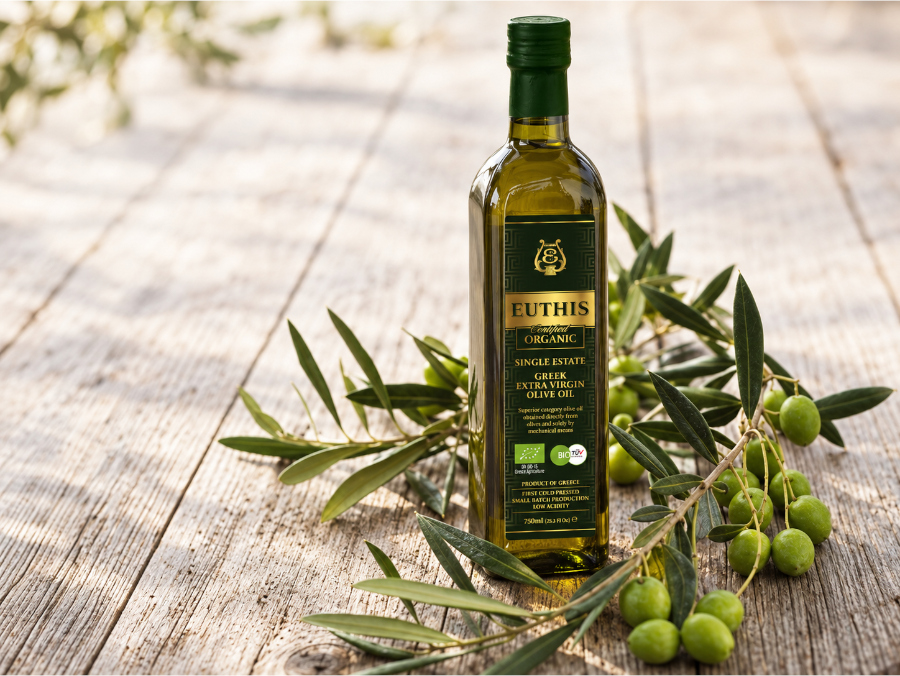
Extra Virgin Olive Oil Guide 07 FEBRUARY 2026
How to Choose a Good Extra Virgin Olive Oil: 10 Things to Look For
You are standing in front of a supermarket shelf filled with olive oil. There may be…
Read more

EUTHIS combines organic cultivation, Koroneiki single varietal character, cold extraction, and single estate traceability. It is produced with clear standards and handled to protect freshness through to final packaging.